The 1992 Constitution of Ghana is the supreme law of the country, providing the legal framework for governance, democracy, and human rights. It defines the structure of government, the responsibilities of leaders, and the rights of citizens. It was approved by a national referendum on April 28, 1992 and officially came into effect on January 7, 1993.
The Supremacy of the Constitution
- The Constitution is the highest law in Ghana.
- Any law, policy, or action that contradicts the Constitution is considered invalid.
- The Supreme Court has the power to declare any law unconstitutional if it goes against the Constitution.
This means that no authority, including the government, can make decisions that violate the Constitution. Citizens have the right to challenge any law that does not align with it.
The Structure of Government
Ghana operates under a democratic system with three main branches of government:
The Executive (The President and Government Officials)
- The President is both the Head of State and Head of Government.
- The President is elected for a four-year term and can only serve a maximum of two terms.
- The Vice President assists the President and takes over if the President is unable to perform duties.
- The Council of Ministers (appointed by the President) helps in running the government.
- The President has the power to appoint judges, ministers, and heads of government agencies, but appointments must be approved by Parliament.
The Legislature (Parliament)
Ghana has a unicameral Parliament, meaning it has only one legislative chamber.
Members of Parliament (MPs) are elected by the people every four years.
Parliament has the power to:
- Make new laws.
- Approve government budgets.
- Oversee the Executive (President and government officials).
The Speaker of Parliament leads the parliamentary sessions.
The Judiciary (The Courts and Justice System)
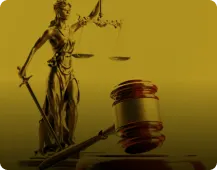
- The Judiciary is independent and responsible for enforcing the laws of Ghana.
- The Supreme Court is the highest court and has the power to interpret the Constitution.
- Other courts include the Court of Appeal, High Court, and Magistrate Courts.
- The Chief Justice is the head of the Judiciary and is appointed by the President with Parliament’s approval.
The separation of these three branches ensures that no single branch becomes too powerful, maintaining checks and balances in governance.
Citizenship and Fundamental Rights
Citizenship
- A person is a Ghanaian citizen by birth if at least one parent or grandparent is Ghanaian.
- A child found in Ghana without known parents is assumed to be Ghanaian.
- A foreigner can become a citizen by naturalization if they meet legal requirements.
Fundamental Human Rights and Freedoms
The Constitution guarantees basic rights to all citizens, including:
- Right to Life: No one shall be unlawfully deprived of life.
- Right to Freedom and Dignity: No one shall be tortured or subjected to inhuman treatment.
- Right to Personal Liberty: No person shall be arrested or detained without lawful reason.
- Right to Fair Trial: Every person accused of a crime has the right to a lawyer and a fair hearing.
- Right to Equality: No one shall be discriminated against based on gender, religion, ethnicity, or social status.
- Freedom of Speech and Expression: Citizens can freely express their opinions.
- Freedom of Association: People can form or join organizations, including political parties.
- Freedom of Religion: Citizens can practice any religion of their choice.
- Right to Property: Citizens have the right to own land and businesses.
The Constitution also states that any law or action that violates these rights is illegal.
Political System and Elections
- Ghana follows a multi-party democratic system, meaning citizens can choose from different political parties during elections.
- Elections are held every four years for the President, Members of Parliament, and local government officials.
- The Electoral Commission is an independent body responsible for organizing elections.
- Every Ghanaian citizen above 18 years has the right to vote.
Local Governance and Decentralization
- Ghana is divided into regions, districts, and local governments.
- Local governance is managed by Metropolitan, Municipal, and District Assemblies (MMDAs).
- These assemblies ensure that communities have a say in decision-making.
- The President appoints regional ministers, but district officials are elected.
Decentralization allows for better distribution of resources and development at the local level.
Finance and Taxation
- The government raises money through taxes, loans, and natural resources.
- The national budget is prepared by the government and must be approved by Parliament.
- The Bank of Ghana manages the financial system and ensures economic stability.
National Security and Emergency Powers
- The Ghana Armed Forces and Police Service are responsible for protecting citizens and maintaining law and order.
- The President can declare a state of emergency if the country faces a crisis such as war or natural disasters.
- During emergencies, certain rights may be restricted, but the government must act within the law.
Land, Natural Resources, and Chieftaincy
- Land ownership is an important part of Ghanaian law. Some lands belong to the state, while others are customary lands owned by chiefs and families.
- Natural resources, such as gold, oil, and timber, are owned by the state but must be managed for the benefit of all citizens.
- Traditional authorities, including chiefs and elders, play an important role in governance through the National House of Chiefs.
Freedom of the Media
- The media in Ghana is independent and free from government control.
- Journalists can report on government activities without fear.
- Censorship is prohibited, meaning the government cannot control what is published.
However, the media is expected to act responsibly and ethically.
Amendment of the Constitution
- The Constitution can be changed (amended) through a referendum or parliamentary process.
- Some sections, such as human rights provisions, require strict procedures for amendment.
This ensures that major changes reflect the will of the people.
Key Takeaways from the Ghana Constitution
The Constitution is the highest law and protects the rights of all Ghanaians.
Ghana operates under a democratic system with three branches of government:
- The Executive (President and Ministers)
- The Legislature (Parliament)
- The Judiciary (Courts)
Every citizen has fundamental rights and freedoms, including equality before the law, freedom of speech, and the right to vote.
The media is free and independent, allowing for transparency and accountability.
Local governance is decentralized, ensuring development in all regions.
The Constitution promotes national unity, economic growth, and social justice.
The 1992 Constitution of Ghana continues to shape the country’s development, democracy, and governance. It is a living document that guides leaders and citizens in building a just, fair, and prosperous nation.