Skip to content
Convention on the Right of the Children

Every Child Deserves Every Right

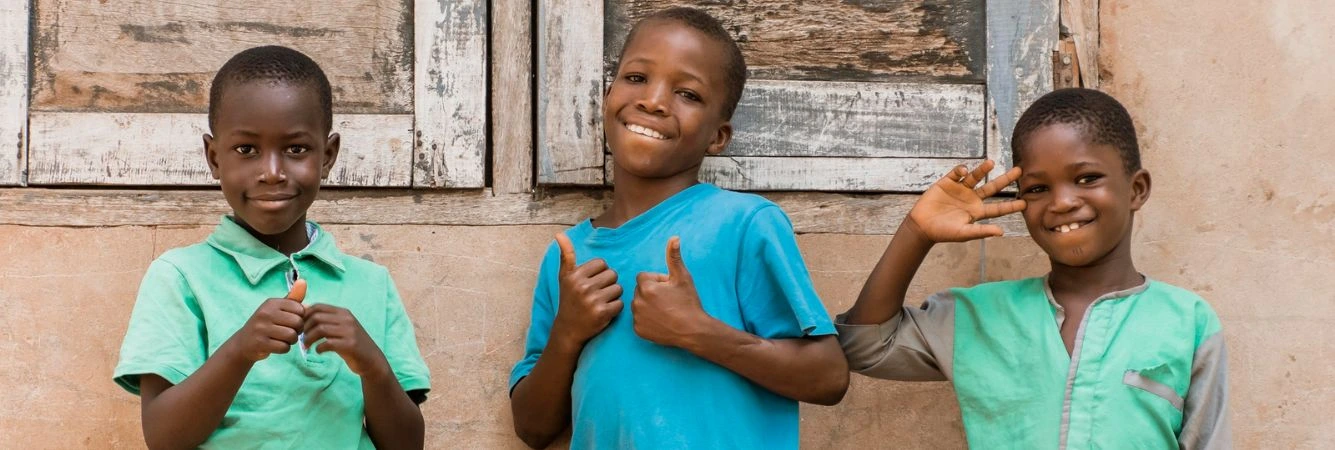
Children are the future of our world, and protecting their rights is essential to building a just and equitable society. In 1989, world leaders made a historic commitment to children’s well-being by adopting the United Nations Convention on the Rights of the Child (UNCRC). This landmark treaty set universal standards to safeguard children’s rights to survival, development, protection, and participation in society.

The Importance of the UNCRC in Protecting Children’s Rights

The United Nations Convention on the Rights of the Child (UNCRC) is the most widely ratified human rights treaty in history, demonstrating the global commitment to ensuring children’s welfare and dignity. Below are listed some of the Key Principles of the UNCRC:

Right to Survival: Every child has the right to life, healthcare, and nutrition.

Right to Development: Access to education, mental and physical well-being, and personal growth.

Right to Protection: Safeguarding children from abuse, neglect, exploitation, and violence.

Right to Participation: The ability to express opinions, be heard, and take part in decisions affecting them.

Since its adoption, the UNCRC has led to major advancements in healthcare, education, and legal protection for children across the world.

The Ongoing Challenges Children Face

Despite progress, millions of children continue to face barriers that prevent them from accessing basic rights and reaching their full potential. Below are listed some Key Challenges:

Poverty: Many children lack food, clean water, healthcare, and education due to economic hardship.

Discrimination: Gender, race, disability, and socio-economic status still impact children’s opportunities and rights.

Violence & Exploitation: Many children experience abuse, child labor, trafficking, and armed conflicts.

Lack of Access to Quality Education: Millions of children, especially in developing nations, are denied schooling and educational resources.

If these challenges are not addressed, children cannot grow into healthy, educated, and empowered individuals.

The Role of Governments, Businesses & Communities

Holding Authorities Accountable

  • Governments must enforce child protection laws and ensure policies align with the UNCRC guidelines.
  • Businesses must promote ethical labor practices and protect children from exploitation.
  • Communities and individuals must advocate for child welfare and ensure that children’s voices are heard.

Strengthening Child Welfare Policies

  • Investing in universal education and healthcare programs to improve children’s well-being.
  • Strengthening social protection systems to prevent child labor and exploitation.
  • Raising awareness about children’s rights to empower communities to act.

Taking Action for a Brighter Future

Protecting children’s rights requires collective action. Every individual has a role to play in ensuring no child is left behind. There are some points to understand that How we can Make a Difference in the Society for Child Right.

Advocate for Policy Reforms: Push for laws that prioritize children’s rights.

Support Child Welfare Organizations: Partner with NGOs that fight for children’s well-being.

Raise Awareness: Educate others about children’s rights and how to protect them.

Human Rights
Join The Community
Please enable JavaScript in your browser to complete this form.
=
Call
You can call us here
Become Volunteer
Back To Top