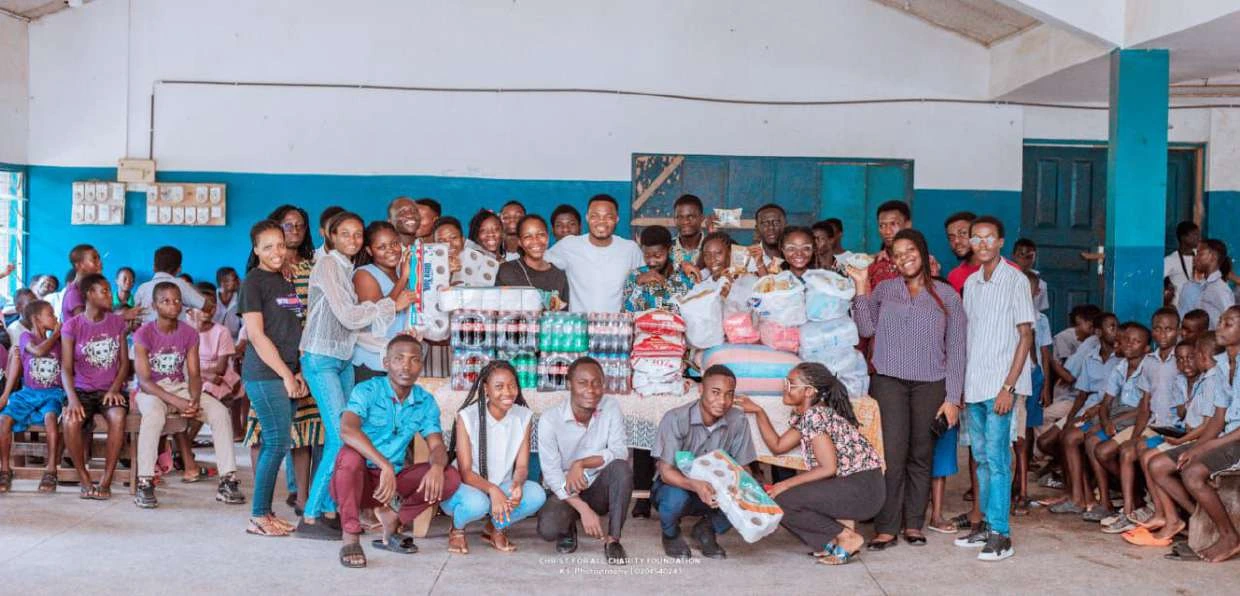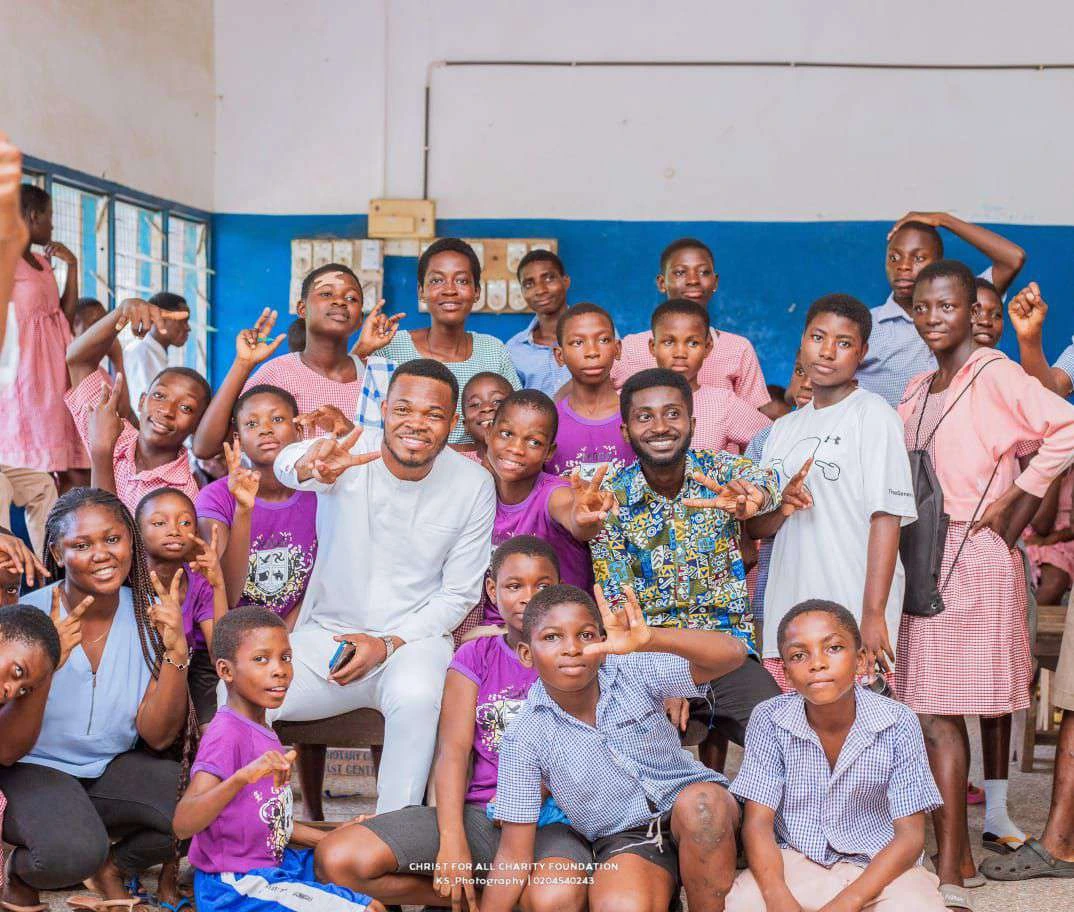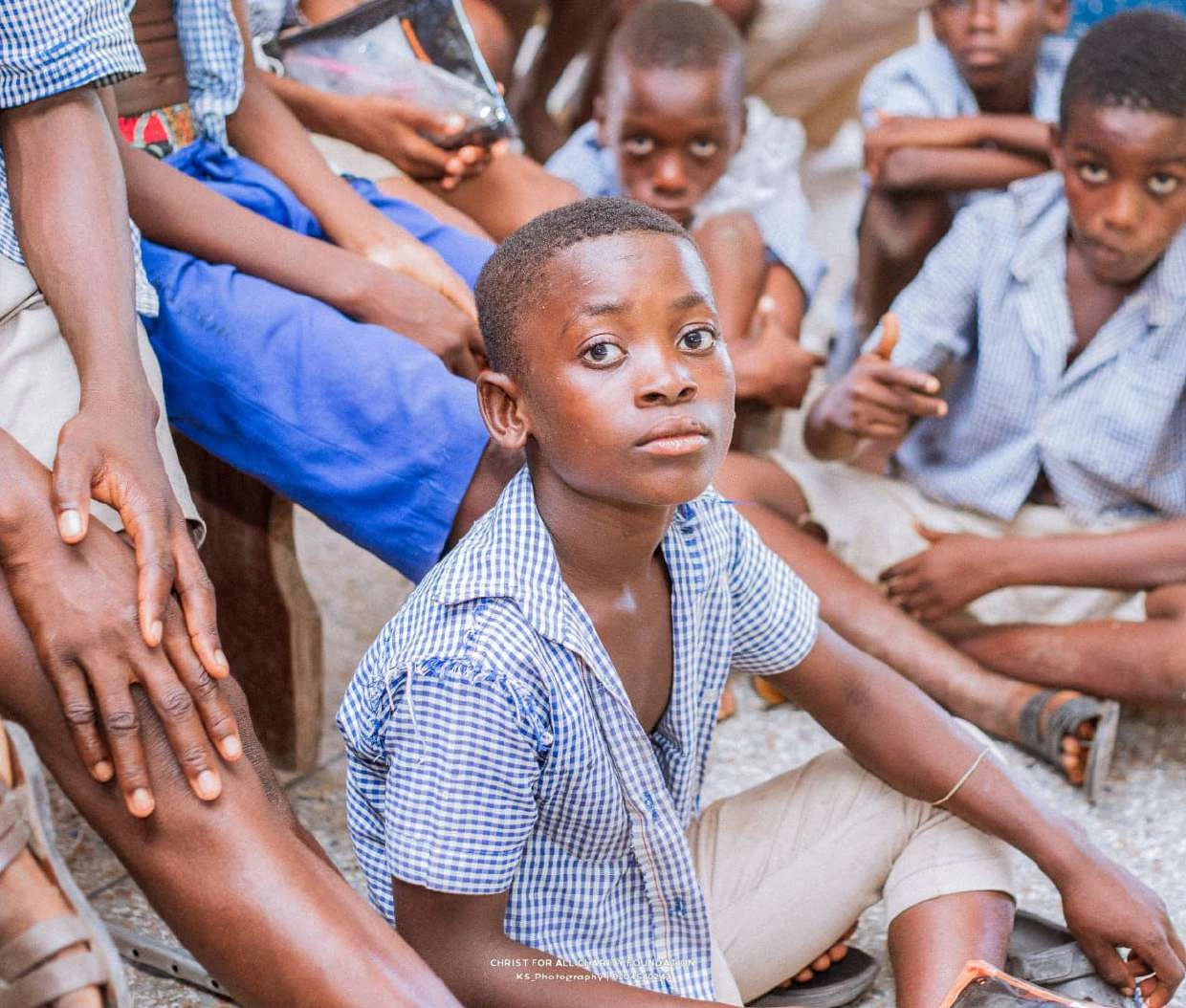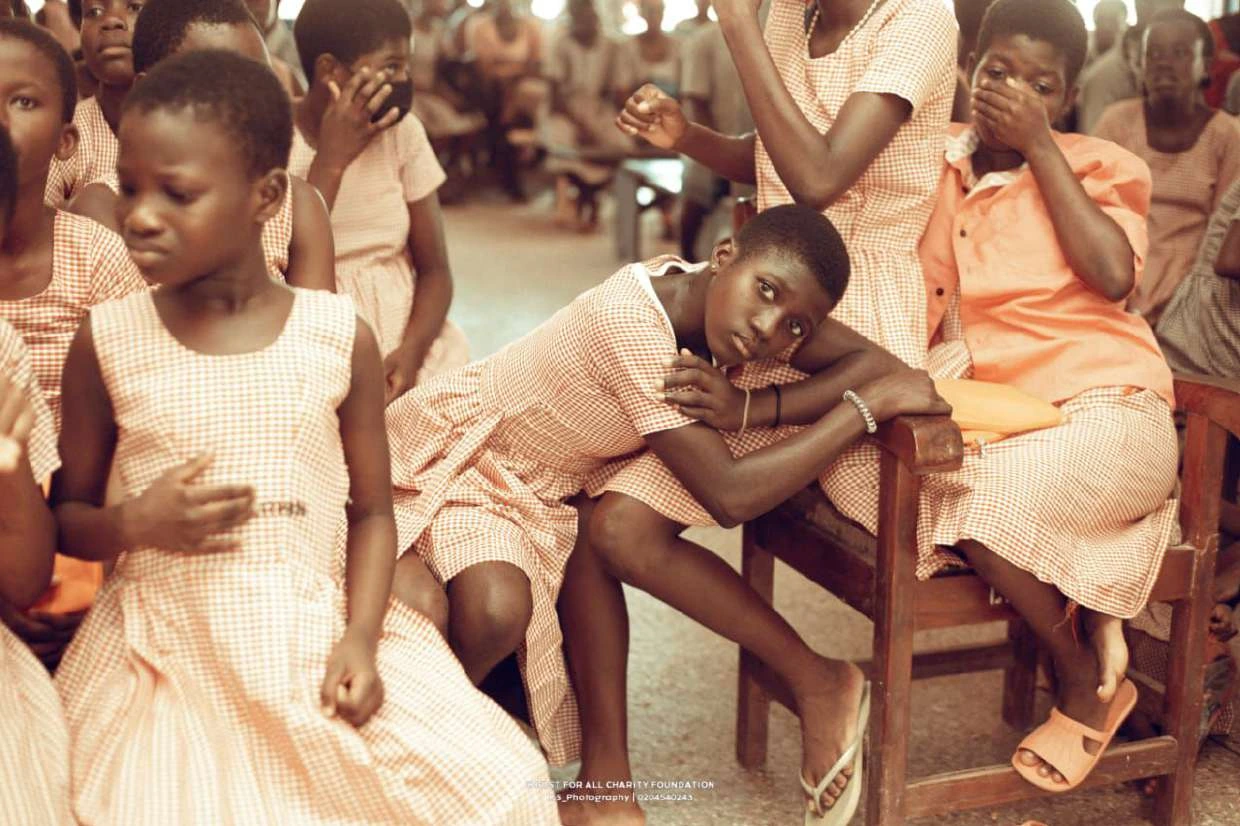
Ghana is a democratic nation that upholds the fundamental human rights and freedoms of all individuals. The Constitution of Ghana guarantees equality, protection, and access to essential services for all citizens, ensuring a just and inclusive society. Below is an overview of key human rights provisions in Ghana.
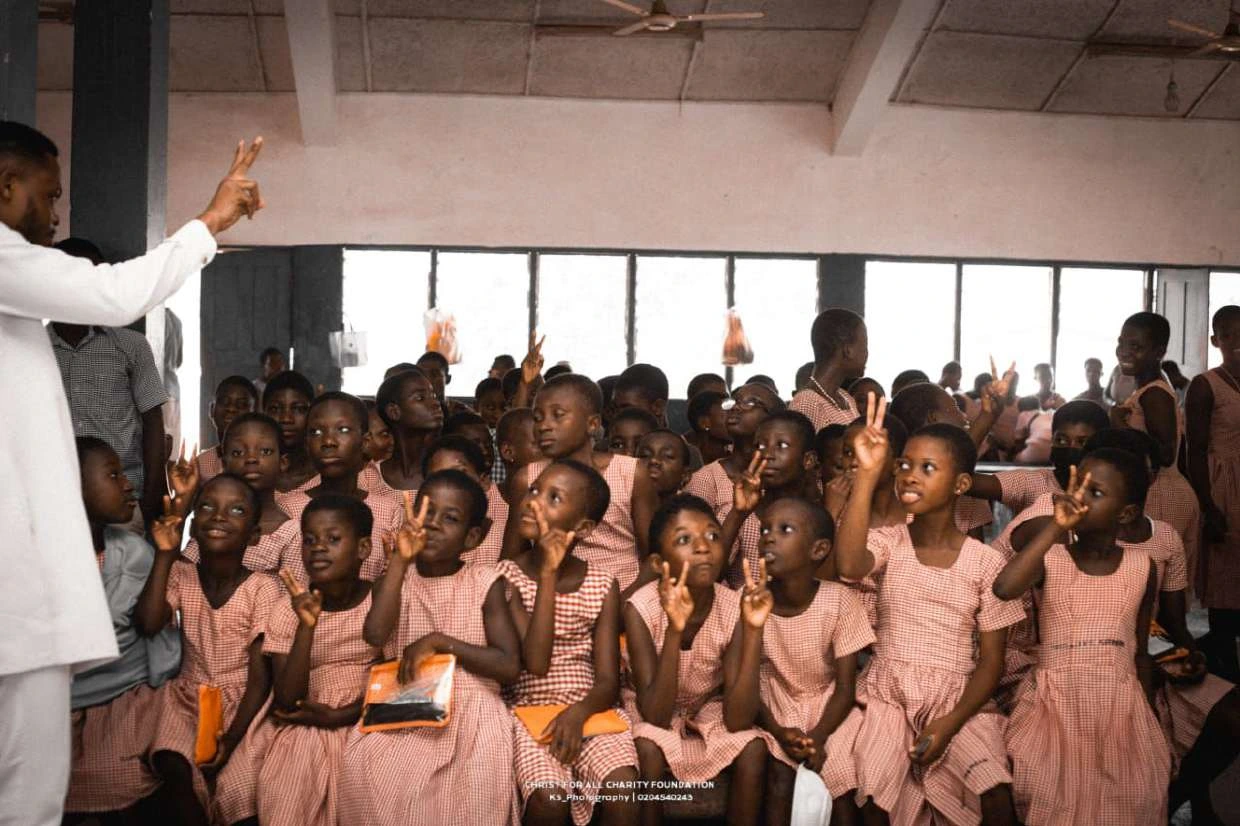
Right to Education
All persons in Ghana have the right to equal educational opportunities and facilities. The government ensures the progressive realization of free and accessible education for all. The Key Provisions for Education Right is given as follows:
- Basic education is free, compulsory, and available to all.
- Secondary education, including technical and vocational training, is to be made widely accessible through progressive free education policies.
- Higher education is to be equally accessible based on capacity and merit.
- Functional literacy programs are encouraged and intensified.
- Development of schools with adequate facilities at all levels is actively pursued.
- Individuals have the right to establish and maintain private schools in accordance with the law.
Cultural and Religious Rights
Ghana recognizes and protects the cultural, linguistic, and religious diversity of its people. The Key Provisions for Cultural and Religious Rights are:
- Every individual has the right to enjoy, practice, profess, maintain, and promote any culture, language, tradition, or religion.
- Any customary practices that dehumanize or harm individuals physically or mentally are strictly prohibited.
Rights of Women and Children
Ghana provides special protections to women and children to ensure their well-being, development, and equal opportunities.
Rights of Women
- Special care is given to mothers before and after childbirth, including paid leave for working mothers.
- Facilities for child care are to be provided to help women achieve their full potential.
- Women are guaranteed equal rights to training and promotion in the workplace.
Rights of Children
- Every child has the right to care, assistance, and maintenance from their parents, except in cases where parental rights have been legally surrendered.
- Children, regardless of whether they were born in or out of wedlock, are entitled to reasonable provisions from their parents’ estate.
- Parents have the natural obligation to care for, maintain, and raise their children in cooperation with institutions prescribed by Parliament.
- Children are to be protected from physical and moral hazards.
- No child shall be engaged in work that threatens their health, education, or development.
- Children are protected from torture, cruel, inhuman, or degrading treatment.
- No child shall be deprived of medical treatment, education, or any social or economic benefit due to religious or other beliefs.
Rights of Persons with Disabilities
Ghana upholds the dignity and equal rights of persons with disabilities, ensuring their full integration into society. The Key Provisions for a Person with Disabilities are as follows:
- Disabled persons have the right to live with their families or foster parents and participate in social, creative, and recreational activities.
- No disabled person shall be discriminated against in terms of residence unless necessary for their treatment or improvement.
- If a disabled person must stay in a specialized establishment, the environment should be as close as possible to normal life.
- Disabled persons shall be protected from exploitation, discrimination, and abuse.
- Judicial procedures involving disabled persons must take into account their physical and mental condition.
- Public places must have appropriate facilities for disabled persons.
- Businesses employing significant numbers of disabled persons shall receive special incentives.
- Parliament is required to enact laws to enforce these rights.
Right to Health and Social Benefits
- No person shall be deprived of medical treatment, education, or other social or economic benefits due to religious or other beliefs.
- Special protections exist for individuals who are unable to give consent due to illness or other conditions.
Emergency Powers and Rights Protection
In times of emergency, the President of Ghana has the power to declare a state of emergency, but these powers are subject to oversight by Parliament to prevent abuse. There are some Key Provisions for Emergency Power or during Rights Protection, they are as follows:
- A state of emergency may be declared in cases of natural disasters or threats to national security.
- Parliament must review and approve any state of emergency within 72 hours.
- A state of emergency can last for seven days unless extended by Parliament.
- A person restricted or detained under emergency laws has the right to be informed of the reason within 24 hours and must be allowed legal representation.
- Any detention or restriction must be reviewed by a tribunal of at least three Justices of the Superior Court.
- Upon the end of an emergency, all persons detained or restricted must be released immediately.
Legal Remedies for Human Rights Violations
Ghana provides legal avenues for individuals whose fundamental rights have been violated. The Key Provisions for Legal Remedies during Human Rights Violations are as follows:
- Any individual who believes their rights have been violated can seek redress in the High Court.
- The High Court can issue legal remedies, including writs of habeas corpus, certiorari, mandamus, prohibition, and quo warranto.
- A person aggrieved by a High Court decision can appeal to the Court of Appeal, with a further right of appeal to the Supreme Court.
- The rights, duties, and guarantees mentioned in the Constitution do not exclude other fundamental rights inherent in a democracy.
Ensuring a Just and Equitable Society
Ghana is committed to upholding human rights by ensuring equal access to education, protecting cultural and religious freedoms, safeguarding the rights of women, children, and persons with disabilities, and providing legal avenues for redress in case of violations. The country’s legal framework reflects a dedication to justice, equality, and dignity for all citizens. For more details on Ghana’s constitutional rights and legal protections, consult the official Constitution of Ghana or legal institutions that advocate for human rights.